Author: Tom Das
Spiritual, emotional and non-dual guidance & counselling with Tom Das
For the last seven years I have been actively guiding people in their spiritual, emotional and human journeys. From non-duality and spiritual experiences, to helping people through relationship and practical issues, I have met with hundreds of people and have pretty much seen it all!
It’s a deep honour and privilege for me to assist people in this way.
If you feel moved to, you can now book a 1 to 1 session with me directly using this link.
To find out more about what I offer, pricing, etc, please see this link here.
Namaste & best wishes
Tom
No fricking body! No fricking mind! Advaita
The Joy In Being Yourself | Sri Ramana Maharshi | Advaita
Maya is non-existent AND infinite | Advaita & Non-Duality
The Story of the Daoist / Taoist Farmer
As mentioned in Satsang last week:
Ashtavakra Gita – all is illusion, I am the Self
Please listen to the video below, namaste

The following verses are read on this video here (a couple of the verses are in a slightly different order):
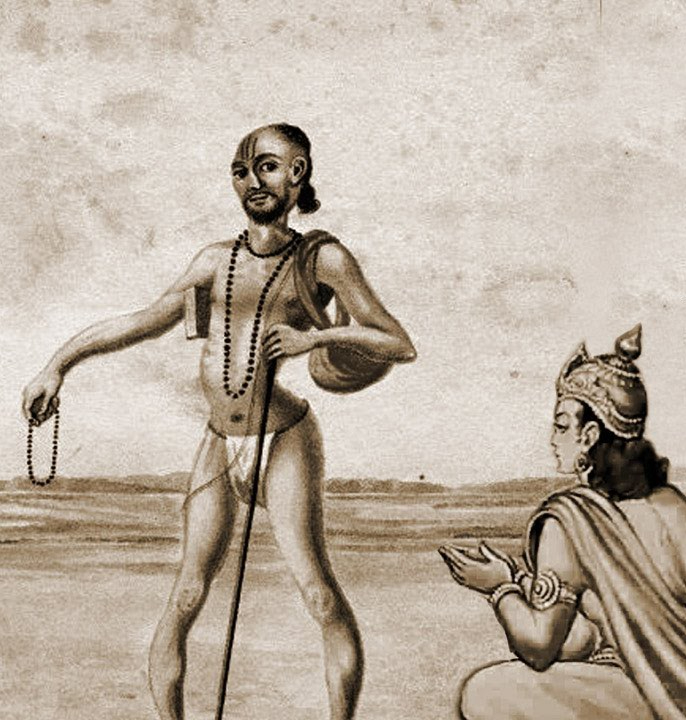
Sage Ashtavakra, the young boy with contorted limbs, teaches King Janaka, and the result is the Song of Ashtavakra, or Ashtavakra Gita. Here are some selected verses, enjoy:
2.1. Oh, I am spotless, tranquil, Pure Consciousness, and beyond Nature. All this time I have been mocked by illusion.
Tom – Now the triad of knower/knowing/known are said not to exist. Note that this triad essentially encompasses all arising or objective phenomena:
2.15. Knowledge, knower and the known –these three do not exist in reality. I am that stainless Self in which this triad appears through ignorance.
Tom – here the remedy is prescribed:
2.16. Oh, the root of misery is duality. There is no other remedy for it except the realisation of the unreality of all objects…
View original post 832 more words
Isn’t all ONE ALREADY? So why seek the SUBJECT?
Sattvic, Rajasic and Tamasic Spirituality | Sri Ramakrishna Paramhamsa
(Understanding this can be a great help on the spiritual journey, my comments are in red)
Question. What is the difference between the Sattvic, the Rajasic and the Tamasic ways of worship?
Sri Ramakrishna:
The man who worships from the very depth of his heart without the least ostentation or vanity is a Sattvic worshipper.
Tom: the sattvic (peaceful) worshiper is the highest form of worshiper, pure of heart and of intent. They do not make a great grand show of their spirituality and care not for outer forms, unlike the rajasic one:
The man who gives much attention to decorating his house, makes much fuss about music and dancing, and makes all costly and elaborate arrangements for a rich feast when celebrating the worship of the Deity, is a Rajasic worshipper.
Tom: the rajasic (passionate) worshipper tends to be concerned more about appearances, pleasure and activity. They may pay great attention to decoration, dress, ceremony, outward appearance and what others think of them. They may tend to wear spiritual-looking clothes and have spiritual-looking paraphenalia and accesories and make a show of spiritual-looking rituals. They may look and sound more spiritual than they actually are. Still lower than them is the tamasic one:
The man who immolates hundreds of innocent goats and sheep on the altar, has dishes of meat and wine for offerings, and is absorbed only in dancing and singing while conducting worship, is a Tamasic worshipper.
Tom: The tamasic (dull) one here is essentially shows to be a hedonist, one who is interested in sense-pleasures and, for this end, they are willing to abuse their own body (eg. with excessive food and wine) and engage in immoral activity (eg. the unnecessary slaughtering of animals) in order to satisfy their wants and apetites.
~ Sayings of Sri Ramakrishna no. 239
——–
Tom: whilst the above may perhaps sound judgemental, I think it is better not to think of it in this way: we can instead see them as descriptions of stages of spiritual growth that many of us often go though, and each stage often has a role to play:
eg. in the tamasic stage, we are often dealing with supressed emotional pain and trauma, in the rajasic stage we are often developing self-esteem and self-worth, and in the sattvic stage we are learning to be more peaceful and pure, perhaps having already healed ourself of many of our psychological traumas and developed a healthy sense of self-esteem.
We can also use this as a way to guage where spiritual teachers/groups/teachings themselves are – are they sharing a tamasic, rajasic or sattvic type of spirituality?
These 3 (sattva, rajas and sattva) are known as the 3 energies of Maya or the 3 gunas.
Have you found this teaching to be helpful for you? Please leave a comment to let me know…
Also see:
The three energies (three Gunas)
A True Teacher Doesn’t Foster Dependence | The Three Gunas | Shedding Negative Self-Concepts
Q. I genuinely understand the teachings but still egoic tendencies arise. What can I do?
 Tom Das