
Zen
Zen Teachings: The Four Kinds of Spiritual People
“There are four kinds of people who study.
The highest are those with practice, with understanding, and with realization.
Next are those with understanding, and with realization but without practice.
Next are those with practice and understanding but without realization.
Lowest are those with practice, but without understanding or realization.”Zen Dawn, J. C. Cleary

Practice, understanding and realisation are all important, but we can deduce from the quote above that of these realisation is the most important. Next in importance is understanding, and least important is practice.
How can this be? How can understanding be more important than practice? Isn’t it often said that an drop of practice is worth an ocean of theory?
Continue reading
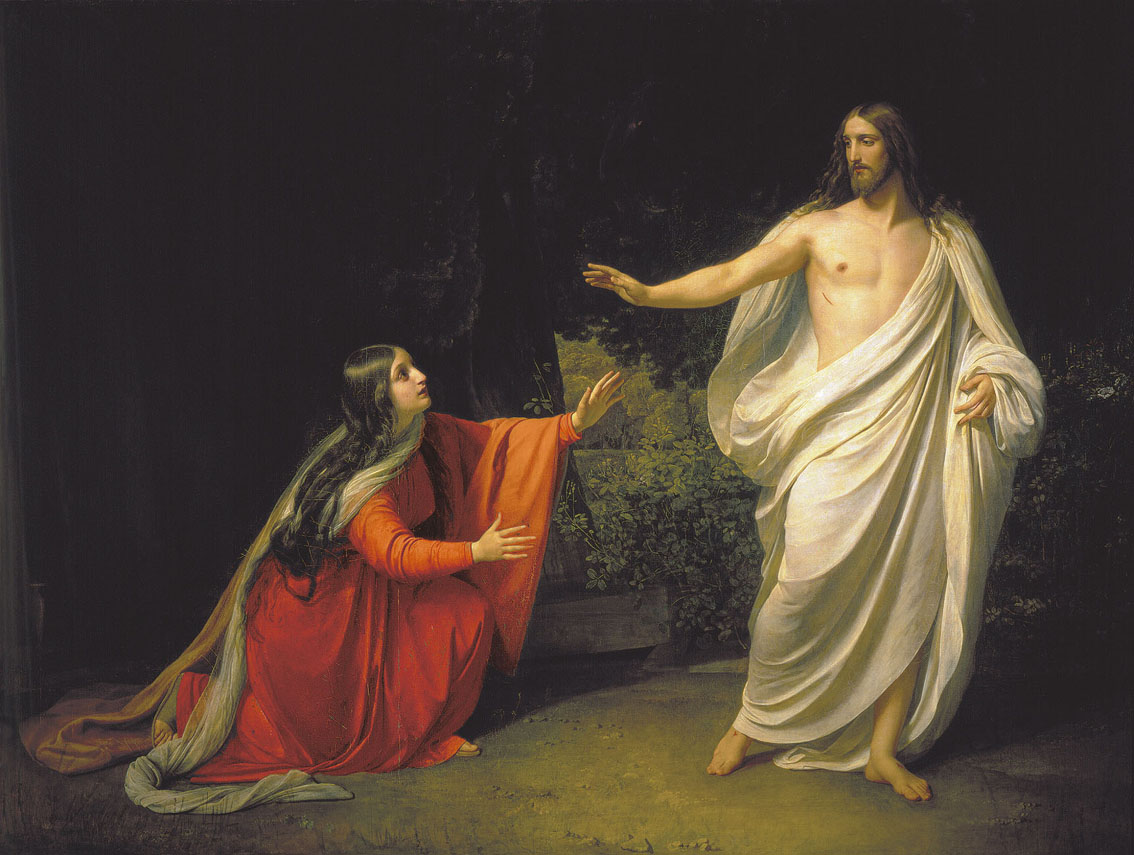
Jesus and non-duality
Also see:
The Non-Dual Vision of Jesus Christ and the teachings of Sri Ramana Maharshi
The Sermon on the Mount According to Vedanta (Jesus, Christanity, Advaita and Non-Duality)
In non-dual teachings, the basic teaching is that the sense of self that we presume ourselves to be is a fiction. What remains after this is seen is a mysterious and ordinary sense of ‘divine oneness’. One ramification of this teaching is that we can learn to see that we are not the authors of our own actions even though we appear to be. This is known as non-doership. This teaching is often stated explicitly in non-dual traditions such as Advaita Vedanta, Zen, Dzogchen and Taoism.
In theistic traditions like much of Hinduism and the Abrahamic traditions of Judaism, Christianity and Islam, non-duality is still expressed, but its form often differs. Continue reading
That ancient path

In seeking it, it is lost.
In loosing it, it is found.
If you never heard of it, you would never seek it;
If you never sought it, you would (probably) never find it.
Thus the importance of hearing about it.
Thus the importance of seeking it.
Thus the importance of letting it go.
Thus the importance of finding
That which was always here.
Peace and blessings
❤
The way beyond effort and effortlessness
In the mind made clear by practice,
(naturally resting,
empty of thought,
self-shining and luminous,
effortlessly present)
a phrase uttered can reveal the transcendent,
as can a gesture, glance, object or experience. Continue reading
Absorption in the Treasury of Light by Zen master Ejo
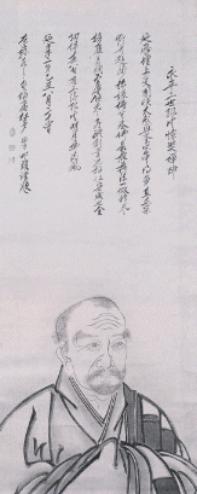
So I’ve been reading ‘Absorption in the Treasury of Light’ by Ejo (1198-1290) and to put it simply, it has blown my mind. The way Ejo expresses both the so-called ‘path’ and ‘state’ of realisation is astounding. I love how he speaks from his direct experience but also draws from scripture. His interspersed scriptural excepts sometimes seem to contradict each other, but the way he juxtaposes them, and in the context of his writing…well the combination results in a potent pointer to the Ultimate. Continue reading
It is here!

Don’t try to figure it out,
The mind will never get this.
My mind still hasn’t got it,
Yet I am.
There is nothing to find here.
No matter how hard you look
You can never find it.
Ahh! It is here!
Everything is impersonal

A person is an expression of the universe:
what we call ‘the personal’ is actually a specific/particular way in which ‘the impersonal’ is functioning.
So,
the personal is actually impersonal.
Or,
there is nothing personal.
Which means:
everything is impersonal.
Or,
There is no person.
What is this?
Zen Master Dogen’s buddha way

To study the buddha way is to study the self.
To study the self is to forget the self.
To forget the self is to be actualised by myriad things.
Continue reading
What is non-duality anyway?

This website is sub-titled ‘Spirituality and Non-Duality’. But what exactly is non-duality (advaita in Sanskrit)? Even in spiritual circles only a few people will ever come across the notion of non-duality and fewer still seem to be interested. From my point of view that’s a real shame as as far as I can see, non-duality is where spirituality gets real and freedom can become reality. Continue reading
 Tom Das