
Questioner: Is your world full of things and people as is mine?
Nisargadatta Maharaj: No, it is full of myself.
Questioner: But do you see and hear as we do?

Questioner: Is your world full of things and people as is mine?
Nisargadatta Maharaj: No, it is full of myself.
Questioner: But do you see and hear as we do?
“There are four kinds of people who study.
The highest are those with practice, with understanding, and with realization.
Next are those with understanding, and with realization but without practice.
Next are those with practice and understanding but without realization.
Lowest are those with practice, but without understanding or realization.”Zen Dawn, J. C. Cleary
Practice, understanding and realisation are all important, but we can deduce from the quote above that of these realisation is the most important. Next in importance is understanding, and least important is practice.
How can this be? How can understanding be more important than practice? Isn’t it often said that an drop of practice is worth an ocean of theory?
Continue reading
Also see:
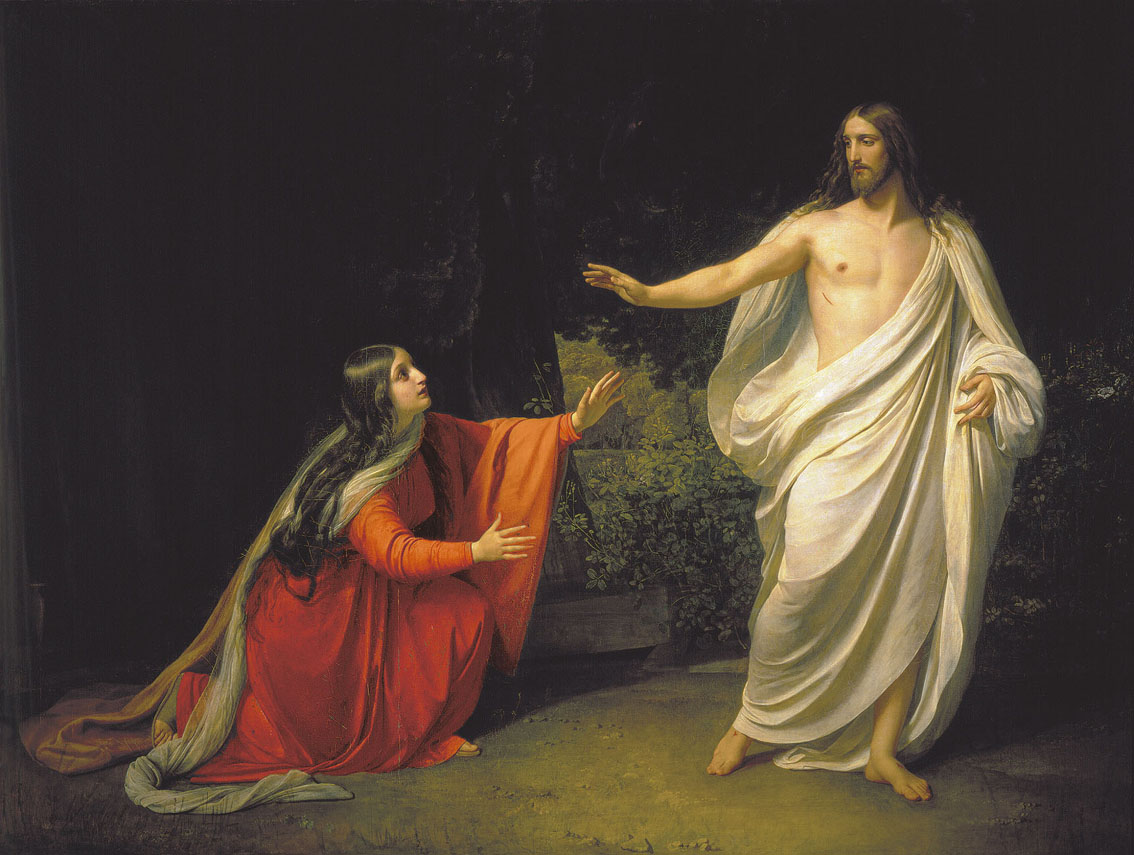
The Non-Dual Vision of Jesus Christ and the teachings of Sri Ramana Maharshi
The Sermon on the Mount According to Vedanta (Jesus, Christanity, Advaita and Non-Duality)
In non-dual teachings, the basic teaching is that the sense of self that we presume ourselves to be is a fiction. What remains after this is seen is a mysterious and ordinary sense of ‘divine oneness’. One ramification of this teaching is that we can learn to see that we are not the authors of our own actions even though we appear to be. This is known as non-doership. This teaching is often stated explicitly in non-dual traditions such as Advaita Vedanta, Zen, Dzogchen and Taoism.
In theistic traditions like much of Hinduism and the Abrahamic traditions of Judaism, Christianity and Islam, non-duality is still expressed, but its form often differs. Continue reading
Try this powerful experiment, with a loved one, a friend, a stranger…
“Studies say that 4 minutes of uninterrupted eye contact can increase intimacy. To test this this theory out, we brought in six pairs in different stages of their relationship and had them try it.”
So, how did you get on?
If you say “spiritual enlightenment does not exist”,
You have denied yourself, and anyone who believes you, a route to end suffering:
“Suffering can end”, thus the wise ones have proclaimed.
If you say “you can be enlightened”, “your suffering can end”
Then by saying ‘you’, you are perpetuating the false concept of self.
Suffering can end, but your suffering cannot end.
Continue reading
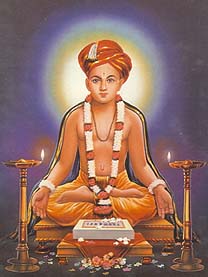
Jnaneshvar (1275–1296), also known as Jnanadev is widely acclaimed as a great self-realised master and teacher whose poetry and writings have influenced many generations after him. He was part of the Nath tradition, an ancient lineage of spiritual masters, which has become recently famous in the West due to Nisargadatta Maharaj (1897-1981), a more recent initiate in the Nath tradition.
Continue reading

In seeking it, it is lost.
In loosing it, it is found.
If you never heard of it, you would never seek it;
If you never sought it, you would (probably) never find it.
Thus the importance of hearing about it.
Thus the importance of seeking it.
Thus the importance of letting it go.
Thus the importance of finding
That which was always here.
Peace and blessings
❤
‘Women,they will come and they will go
When the rain washes you clean
you’ll know….you’ll know’
from Dreams by Fleetwood Mac
‘Women,they will come and they will go…’
Women will come and go,
Material goods will come and go,
Experiences will come and go,
Power and prestige will come and go,
Continue reading

In many spiritual traditions, such as some schools of of Buddhism, vedanta and yoga, seekers are advised to consider the world to be like a dream: ephemeral, transient and illusory. But is the world really an illusion, or is this merely a teaching method?
Many well-versed pandits and scholars have debated this very issue over the centuries, but for those that have glimpsed the reality that lies beyond mere verbal assertions, such debates are missing the essential point.
Here are two powerful quotes from Ramana Maharshi explaining how the teachings work:
We can clearly see Ramana says the teaching that the world is an illusion is itself a ‘thorn used to remove a thorn’. The teaching is a concept, and it is used to remove another concept, before they are both thrown away.
Here is another instructive quote:
Here in the next excerpt Ramana is asked directly if the world is perceived after realisation:
[Tom – Ramana is telling the questioner not to worry about this question and rather attend to himself ie. to do self-enquiry]
[Tom: Now Ramana answers the question directly:]


 Tom Das