
Everything appears fresh,
Fresh, crisp and clear;
A sparkling mirror,
everything perfectly reflected.
Body, mind and senses function by themselves,
As they have always done,
Light! Sensations! Movement!
Everything appears fresh,
Fresh, crisp and clear;
A sparkling mirror,
everything perfectly reflected.
Body, mind and senses function by themselves,
As they have always done,
Light! Sensations! Movement!

This is a question that often comes up, and many teachers often state that reality is impersonal. I myself have written a piece stating just this (complete with an impersonal looking image). However, like so many things we can write and say about reality, it is often correct in one way but false in another. As I’ve stated many times before, reality cannot be captured in words.
We could say that reality is impersonal or both personal and impersonal, or we could say that it is neither personal or impersonal. All these statements would be correct in the correct context.
But are these statements helpful? To say that reality is either personal or impersonal is ultimately besides the point. The essential point is to see things as they are, or rather to stop believing in all our concepts about reality – then reality shines, as it always has done. Who cares if it’s personal or impersonal?
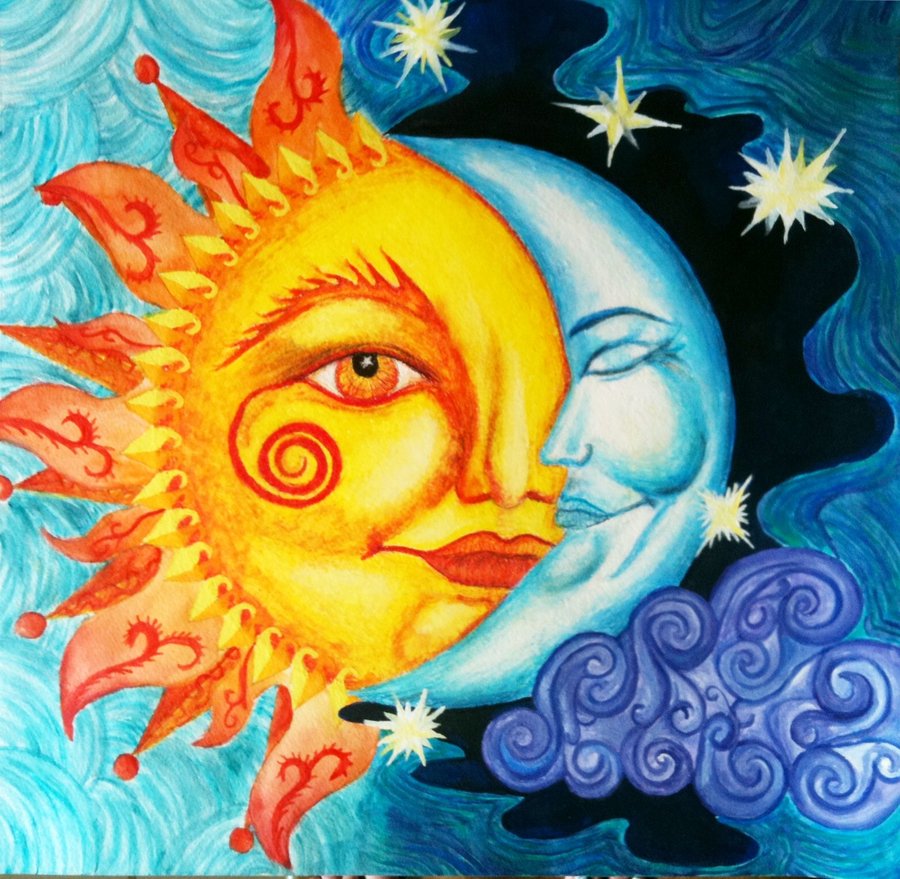
The sun
Bright, bold, clear, unchanging,
The masculine principle.
The moon,
Mysterious, shape-shifting, temperamental,
The feminine principle. Continue reading
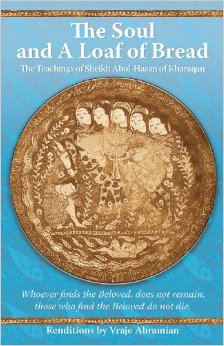
Here are some gems from Sheikh Abol-Hasan, a Sufi mystic from the 11th century AD. His words continue to astound me. I have followed each quote with my commentary in italics and hope this does not detract from the quotes themselves.
One may speak of those absent,
but one who is Ever Present,
one can say nothing of
Sheikh Abol-Hasan, saying 92
How can we speak of Him? How can we talk of Him? All talk of Him is fanciful, all the more so if we take our descriptions and theories about Him seriously. Continue reading
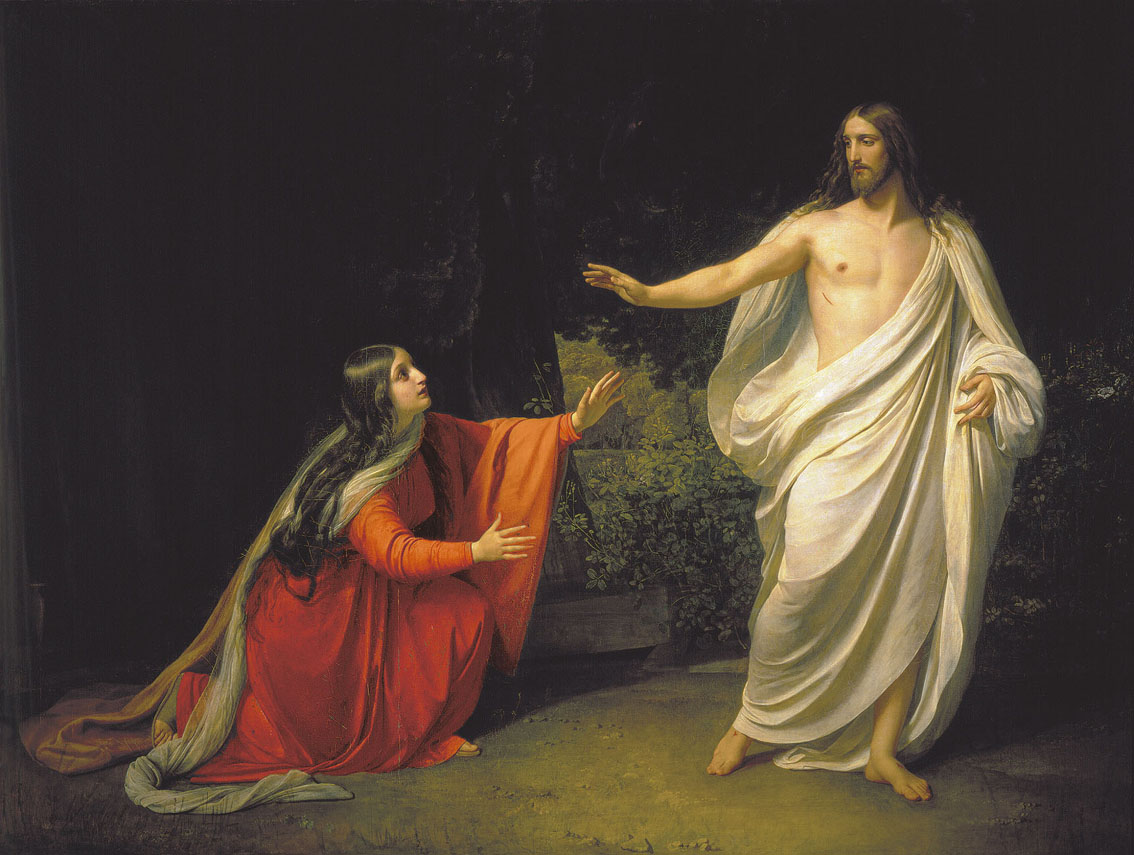
Also see:
The Non-Dual Vision of Jesus Christ and the teachings of Sri Ramana Maharshi
The Sermon on the Mount According to Vedanta (Jesus, Christanity, Advaita and Non-Duality)
In non-dual teachings, the basic teaching is that the sense of self that we presume ourselves to be is a fiction. What remains after this is seen is a mysterious and ordinary sense of ‘divine oneness’. One ramification of this teaching is that we can learn to see that we are not the authors of our own actions even though we appear to be. This is known as non-doership. This teaching is often stated explicitly in non-dual traditions such as Advaita Vedanta, Zen, Dzogchen and Taoism.
In theistic traditions like much of Hinduism and the Abrahamic traditions of Judaism, Christianity and Islam, non-duality is still expressed, but its form often differs. Continue reading
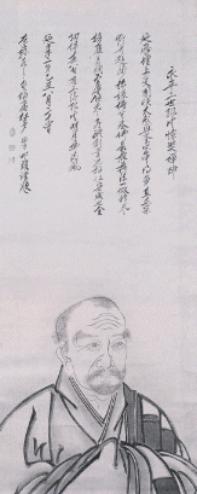
So I’ve been reading ‘Absorption in the Treasury of Light’ by Ejo (1198-1290) and to put it simply, it has blown my mind. The way Ejo expresses both the so-called ‘path’ and ‘state’ of realisation is astounding. I love how he speaks from his direct experience but also draws from scripture. His interspersed scriptural excepts sometimes seem to contradict each other, but the way he juxtaposes them, and in the context of his writing…well the combination results in a potent pointer to the Ultimate. Continue reading

To study the buddha way is to study the self.
To study the self is to forget the self.
To forget the self is to be actualised by myriad things.
Continue reading
 There is no ‘you’
that is enlightened
or not enlightened:
there is only enlightenment. Continue reading

 Tom Das